About Push Low Pressure Atomizing Nozzle
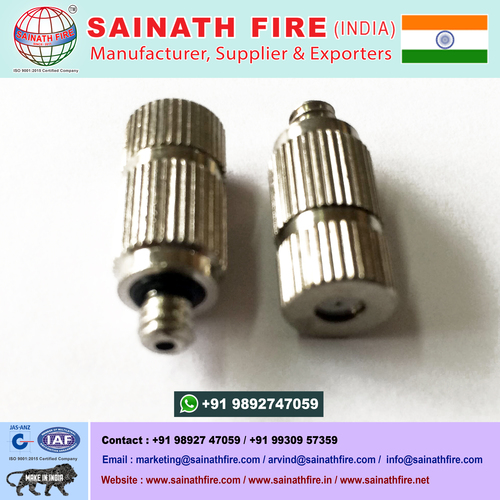
Push Low Pressure Atomizing Nozzle
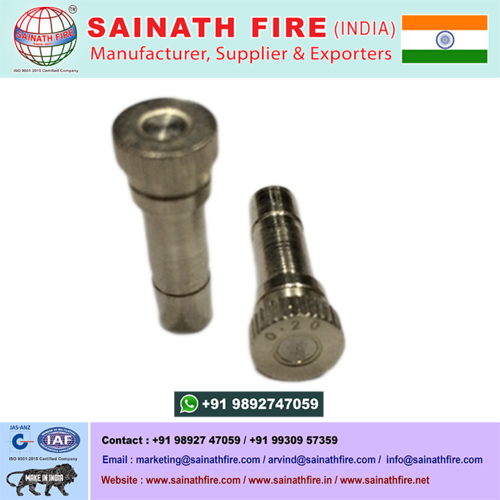
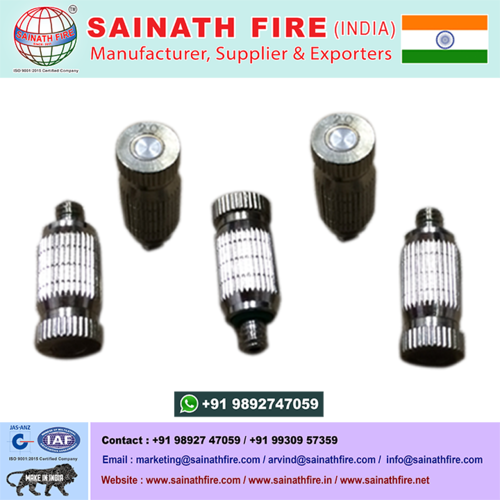
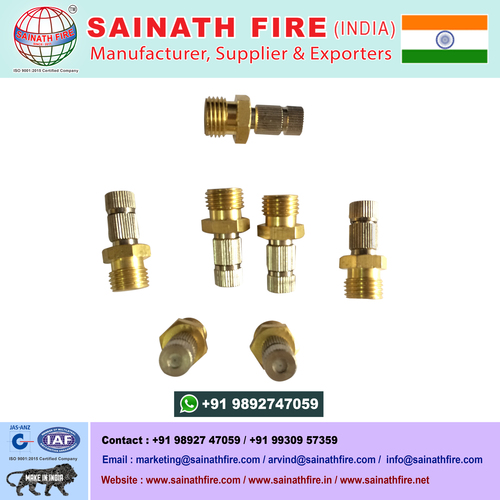
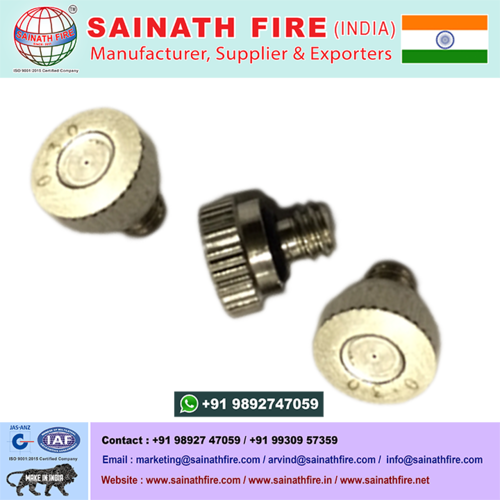
We are attaining trust from a huge client base that relies on our offered Push Low pressure atomizing nozzle Widely trusted as the precisely designed automatic control valves, the offered models are best suited for protecting fire protection systems from air lock. We are designed these valves in variety of configurations and end connections. Further, the offered valve is made from stainless steel material, Gunmetal, Brass and can be ordered at a leading price.
Adjustable Spray Pattern for Versatile ApplicationsThe push-type atomizing nozzle delivers a customizable spray angle ranging from 60 to 90, suitable for a wide variety of uses such as humidification, dust suppression, cooling, and spray painting. Its fine atomized spray ensures optimal coverage, reducing waste and improving process efficiency. With its cone or flat fan pattern and easy adjustability, it adapts seamlessly to changing operational requirements.
Engineered for Durability and Ease of UseConstructed from brass with a stainless steel self-cleaning needle, and finished with nickel plating, this nozzle resists corrosion and ensures longevity even in demanding environments. The threaded 1/4 BSP male connection and compact, lightweight design (approx. 80 grams) enable straightforward installation and removal. Minimal maintenance is required thanks to its innovative self-cleaning mechanism and easy disassembly features.
Low Consumption and Cost-Efficient OperationDesigned for optimal efficiency, the nozzle operates at low air (60250 L/min) and fluid consumption (0.53.0 L/hr) while delivering consistent performance. Whether used individually or in industrial batches, its economical operation saves both resources and costs, meeting the needs of exporters, manufacturers, and suppliers. A temperature resistance of up to 80C supports use in various environments.
FAQs of Push Low Pressure Atomizing Nozzle:
Q: How is the spray angle adjusted on the push low pressure atomizing nozzle?
A: The spray angle can be easily adjusted between 60 and 90 by turning the nozzle body, allowing you to adapt the spray pattern to meet specific application requirements without complex tools or additional components.
Q: What maintenance is required for this atomizing nozzle?
A: Thanks to its self-cleaning needle mechanism, maintenance is minimal. Routine checks and occasional disassembly for cleaning are straightforward due to the nozzles compact and user-friendly design, ensuring consistent performance over time.
Q: When is this nozzle suitable for use in industrial environments?
A: This nozzle is appropriate for continuous use in painting, dust suppression, humidification, and cooling processes, especially where low pressure and efficient fluid/air consumption are required. It handles temperatures up to 80C and operates within a safe pressure range of 0.20.5 MPa.
Q: Where can this nozzle be installed and by whom?
A: Installation can be carried out in any facility requiring fine atomized spray, such as manufacturing plants, paint shops, or cooling systems. Thanks to its threaded 1/4 BSP male connection and lightweight build, both technical and non-technical staff can complete the installation quickly and securely.
Q: What connection types and materials are available for this nozzle?
A: The standard model features a 1/4 BSP male threaded connection. It is crafted from brass with a stainless steel self-cleaning needle and finished with nickel plating for corrosion resistance. Custom sizes can be manufactured upon request.
Q: How does the self-cleaning mechanism benefit the user?
A: The integrated self-cleaning needle maintains spray quality by preventing clogging, which reduces downtime for maintenance and ensures uninterrupted operation in demanding conditions.
Q: What are the main benefits of using this nozzle for spray or cooling applications?
A: This nozzle offers precise atomization, efficient low-pressure operation, low resource consumption, easy installation, and robust durability. These features combine to improve process efficiency, lower operational costs, and reduce maintenance efforts in both industrial and commercial applications.




 Send Inquiry
 Send Inquiry

